A samurai without use for his sword.
THE TWILIGHT SAMURAI isn’t a film about honor. It’s about time—who has it, who doesn’t, and what it costs to give it away. The sword is present, but mostly as interruption. The real tension isn’t whether Seibei Iguchi can fight. It’s whether he can afford to.
That reframing is everything, because quietly dismantles the mythology it inherits. This isn’t a world of noble warriors moving toward glorious ends. It’s clerks, widowers, routines. Seibei’s nickname comes from leaving work early to care for his daughters. That detail shifts the center of gravity. The film isn’t asking what honor looks like in battle. It’s asking what it looks like in a life constrained by obligation.
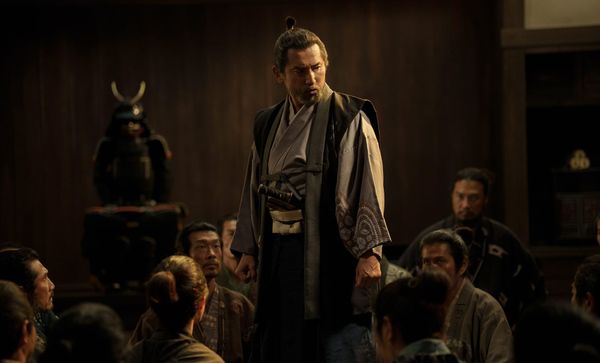
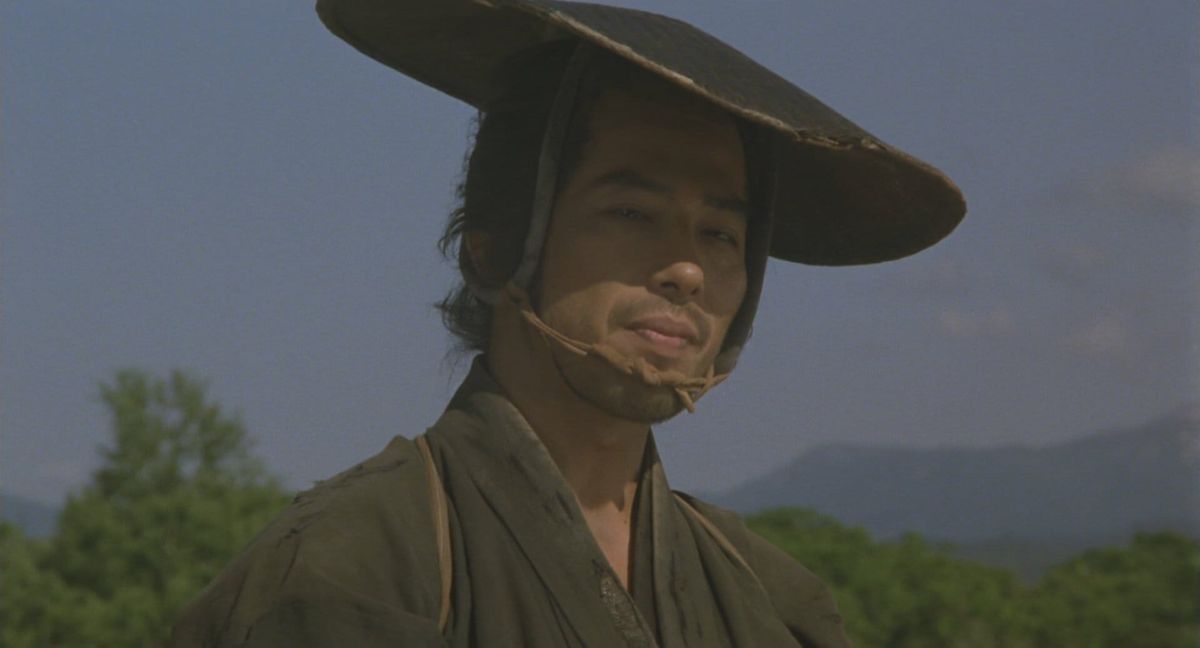
Hiroyuki Sanada understands that instinctively. His performance is built on withdrawal rather than assertion. He recedes into spaces, lets expectation shape his posture, rarely insists on himself. There’s no overt display of dignity. It emerges instead from endurance—from doing what needs to be done without spectacle.
Opposite him, Rie Miyazawa brings warmth without turning it into escape. Their relationship isn’t framed as salvation. It’s tentative, shaped by social limits and histories neither of them can simply discard. The film doesn’t pretend love exists outside structure. It shows how it strains against it.
Yoji Yamada reinforces that tension formally. The pacing resists momentum. Scenes don’t build toward release so much as accumulate weight. Interiors feel small, not aesthetically but physically—bodies moving carefully, hierarchies embedded in space. Even the landscapes refuse lyricism. They’re places of labor, not freedom.
The setting isn’t backdrop. It’s lived condition. Poverty appears as repetition—meals, clothing, routine. Time is structured by obligation: work, caregiving, survival. In that context, the idea of the samurai as a figure of autonomy starts to feel misplaced. Seibei isn’t free enough to embody it.
Power operates quietly but absolutely. It sits in class, in expectation, in what goes unsaid. Seibei doesn’t challenge it. He navigates it, carefully, because the cost of misstep is already clear. When violence finally enters the film more directly, it doesn’t feel like escalation. It feels like the system reasserting itself.
The duel is where the film clarifies its position. It refuses myth. There’s no spectacle, no grace. It’s tense, awkward, grounded in bodies and breath. You’re aware of hesitation, of fear. The question isn’t who is more skilled. It’s why this moment has been made necessary at all.
That’s where the film’s ethical weight settles. It doesn’t dismiss duty, but it exposes its cost—especially for those with the least room to maneuver. Seibei’s choices are sincere, but they’re shaped by a structure he didn’t create. The film respects him without romanticizing the system that defines him.
Emotionally, it’s severe in its restraint. Nothing is pushed. Small gestures—a meal, a conversation, a quiet decision—carry weight because the film allows them to. Feeling is constructed through accumulation, not emphasis.
The ending doesn’t resolve the tension it builds. It leans toward endurance rather than triumph. A life partly lived on someone else’s terms, but still lived with care.
That’s the final move. THE TWILIGHT SAMURAI doesn’t expand the genre. It narrows it—until the myth collapses into something human. What remains isn’t the spectacle of honor, but the cost of trying to live with it.