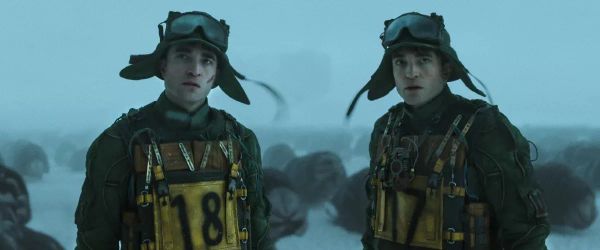
Memory lives on the shore.

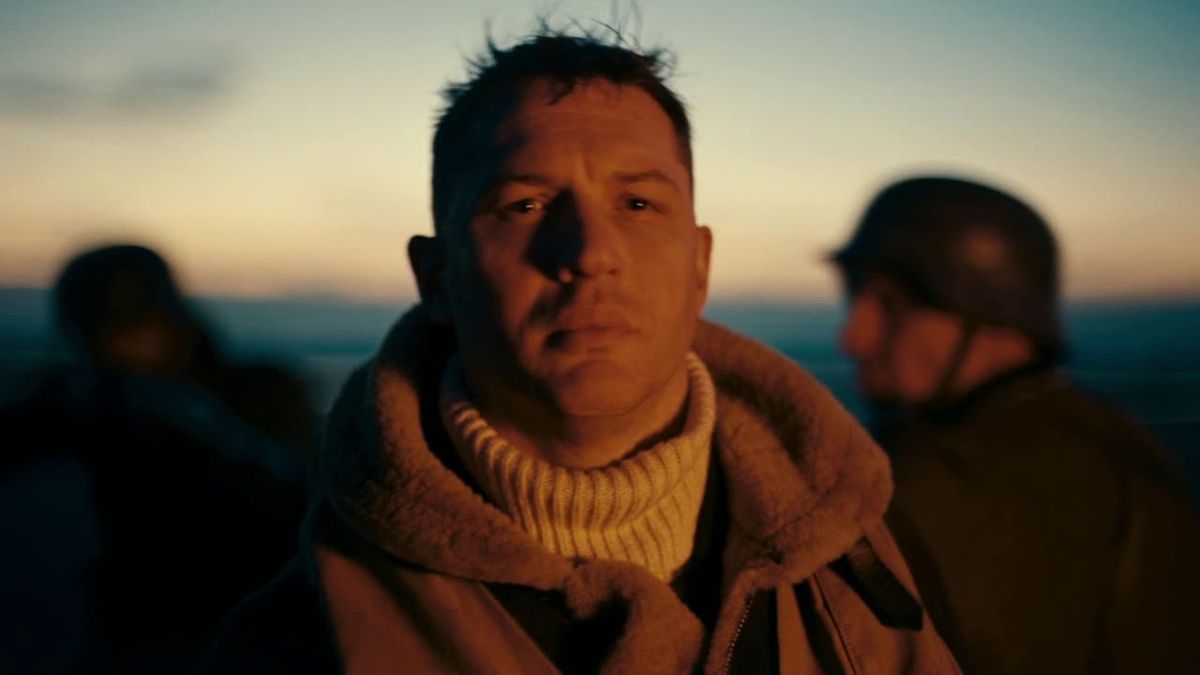
DUNKIRK is a war film that doesn’t roar — it compresses. It doesn’t sweep you up in speeches or patriotic crescendo. It tightens around your lungs. Christopher Nolan isn’t interested in hero mythology or tear-stained letters home. He’s interested in time as pressure, and what happens to men when time starts running out. At its core, this is a film about evacuation, not victory. Survival, not conquest. The British army stranded on a beach, waiting for boats that may or may not come. Nolan frames this not as a grand military narrative but as a study in endurance — how fear stretches minutes into eternities, how hope arrives quietly and leaves just as quietly. The triptych structure — land, sea, air — could have felt mechanical. Instead, it feels like three pulses syncing into one heartbeat. A week on the beach. A day on the water. An hour in the sky. Nolan crosscuts them not for cleverness, but for suffocation. Each thread tightens the others. The result isn’t narrative momentum; it’s cumulative anxiety. There are no sweeping character arcs here. The soldiers are not given elaborate backstories or sentimental framing. They are frightened, exhausted, practical. Some are brave. Some are selfish. Most are simply trying to get home. The film treats survival as morally complicated rather than noble by default. That restraint is its boldest choice. The civilian boat sequence reframes the conflict without romanticizing it. Mark Rylance’s quiet resolve carries a steadiness that contrasts the chaos onshore. This isn’t jingoism; it’s ordinary people stepping into extraordinary circumstances without needing applause. The scale remains human, even when the stakes are geopolitical. In the air, the Spitfire sequences are among the cleanest aerial combat scenes ever put to screen. Spatial clarity replaces spectacle. Fuel gauges matter more than dialogue. When the engine cuts and silence takes over, it feels less like a stunt and more like suspended breath. The sky becomes both freedom and trap. Hans Zimmer’s score operates like a ticking conscience. The Shepard tone illusion creates the sensation of perpetual escalation — a rise that never resolves. It’s not music meant to move you; it’s music meant to destabilize you. Even quiet moments hum with implied countdown. Visually, the film is stripped of ornament. The beaches are grey and endless. The sea is indifferent. The palette refuses warmth. Nolan avoids romanticized gore or slow-motion martyrdom. Death is abrupt, mechanical, unceremonious. The horror lies in proximity, not spectacle. The closing newspaper speech lands not because it’s triumphant, but because we’ve just endured the opposite. Dunkirk wasn’t a victory in the conventional sense. It was survival reframed as resilience. The film understands that myth is often applied after the fact — that history edits fear into courage. DUNKIRK ultimately isn’t about glory. It’s about compression. About what war feels like when stripped of narrative comfort. It doesn’t offer catharsis. It offers endurance. And in doing so, it becomes less a war epic and more a study of collective breath — held, strained, and finally released.