Revolution doesn’t end. It lingers.

ONE BATTLE AFTER ANOTHER isn’t really about revolution. Not in the way the film presents itself—with urgency, with stakes, with the suggestion that something is about to matter again. It’s about what happens when nothing quite does. Not apathy, exactly. Something closer to drift. People still moving, still reacting, but without a clear sense of why.
The film sets up like a return. A missing daughter, old ties, unfinished business. It gestures toward momentum, toward consequence. But it keeps undercutting that. Every time it looks like the story is about to lock into place, it loosens instead. What should feel like escalation ends up feeling like delay. Not because nothing is happening, but because nothing quite lands.
That shows up most clearly in how the film moves. It doesn’t build in a straight line. It circles, stalls, then jumps forward. Scenes feel like they start mid-thought and end before the thought completes. The pacing isn’t slow—it’s unsettled. You’re never fully sure what the film thinks is important, or when it’s going to decide.
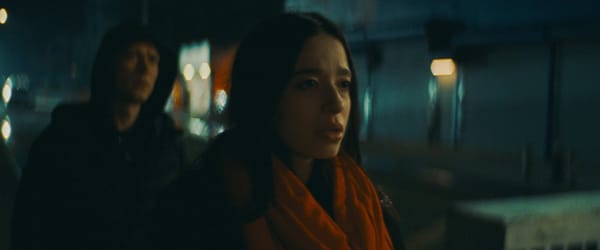
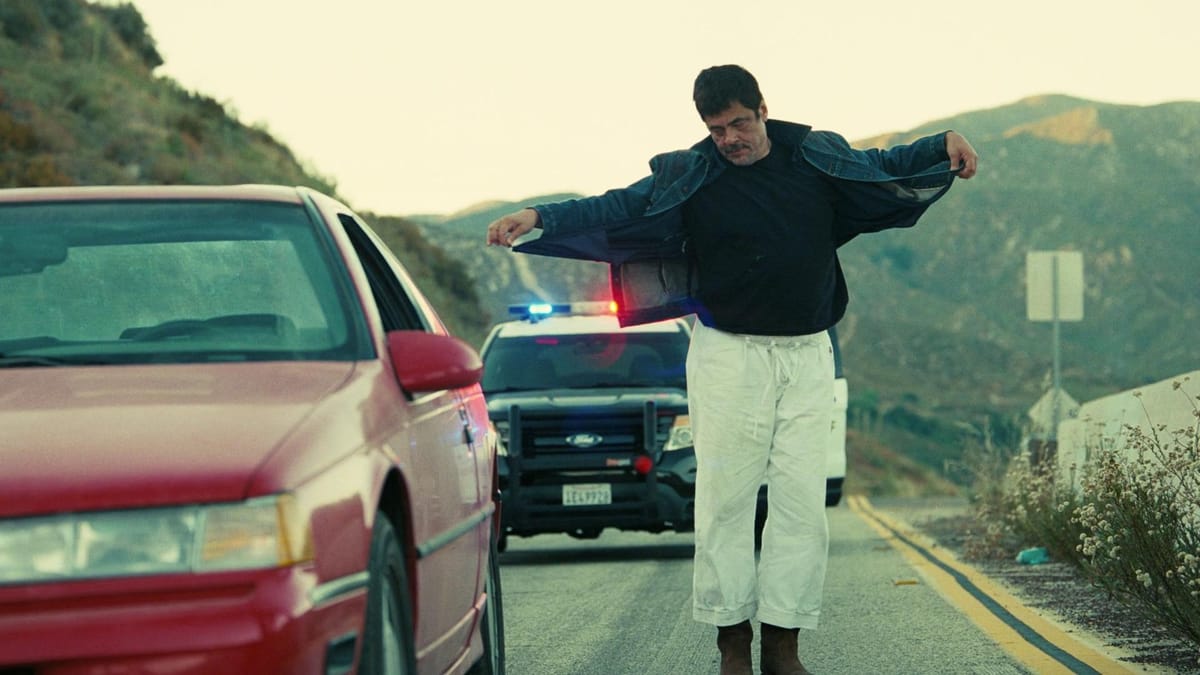
Visually, it’s controlled, almost to a fault. Everything is clean, sharply framed, easy to read on the surface. But that clarity doesn’t translate into understanding. The camera holds, then cuts just as something might register. Moments feel observed rather than shaped. Like the film is watching its own characters, not guiding them.
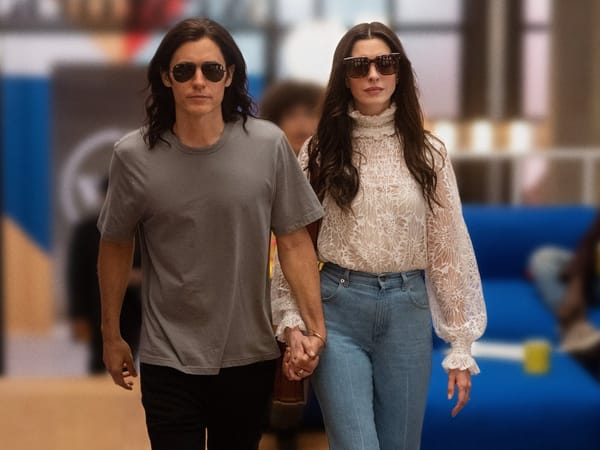
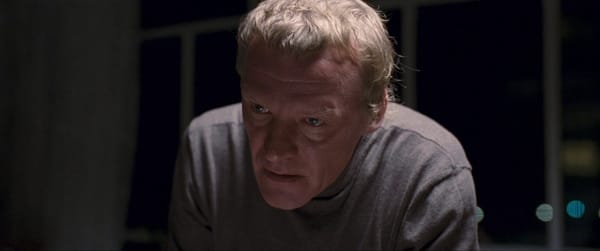
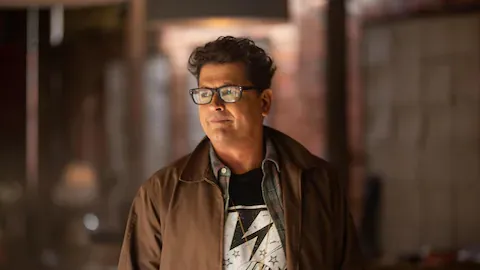
ONE BATTLE AFTER ANOTHER leans into that uncertainty. His performance feels deliberately off-center, like he’s always a step behind the scene he’s in. Not confused, just disconnected. goes the other way—very fixed, very certain, almost rigid. He doesn’t bend with the film; he stays exactly where he is. adds something more grounded, but even that feels unstable, like it could slip at any point.
What’s interesting is that none of these performances try to smooth things out. They don’t meet in the middle. They pull in different directions and let the tension sit there. Sometimes that works. Sometimes it just creates distance. The film never really decides which it wants.
There’s a version of this movie that lands harder—one where the looseness sharpens into something more pointed. But ONE BATTLE AFTER ANOTHER resists that. It keeps things open, even when closing them might give the story weight. That restraint can feel intentional. It can also feel like avoidance.
In the end, ONE BATTLE AFTER ANOTHER is less about what happens than how it refuses to settle. Not chaotic, not messy—just unresolved on purpose. It moves, it circles, it stops short.
What keeps it from collapsing entirely is that the refusal isn’t empty. There’s something underneath it—fatherhood, memory, consequence—quietly pulling against the noise. The film keeps hinting that the real stakes aren’t political at all, but inherited. Not the fight itself, but what gets passed down from it.
And yet, even that doesn’t resolve cleanly. The film gestures toward meaning, then backs away from it. It lets moments almost land—emotion, clarity, even tenderness—before redirecting into something looser, stranger, harder to hold onto. That tension between what could settle and what refuses to is where the film actually lives.
ONE BATTLE AFTER ANOTHER doesn’t end so much as continue. Not toward closure, not toward understanding—just forward. Until the idea of resolution starts to feel beside the point.