Sex, vodka, and a very bad idea.

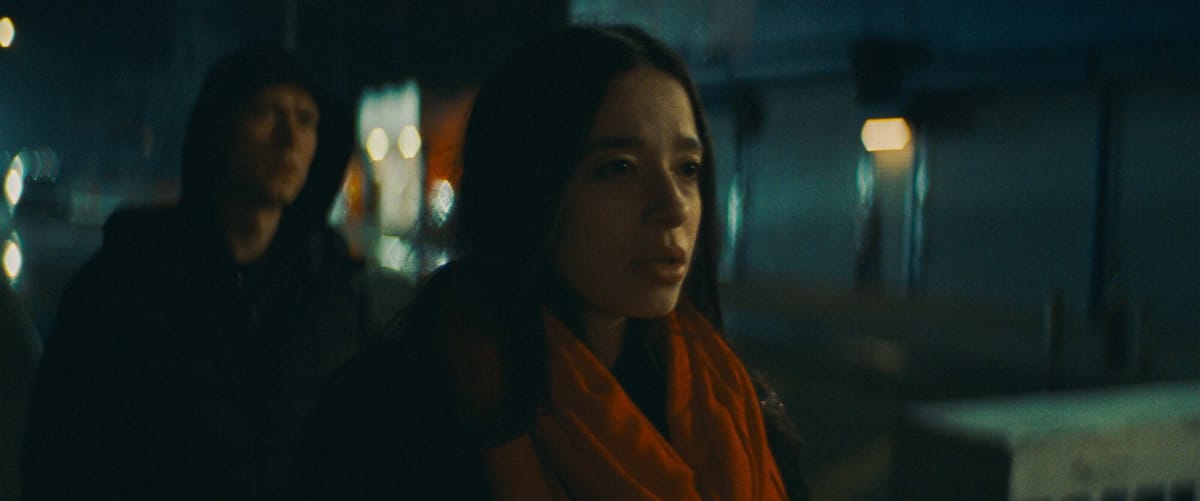
ANORA opens like something loose and impulsive — a story running on energy more than intention. A stripper meets a rich kid, and suddenly everything feels accelerated, almost weightless. It’s funny, messy, a little unreal. The film lets that tone sit just long enough that you start to accept it.
But it isn’t chaos for the sake of it. It’s about proximity — to a different life, a different version of yourself — and how quickly that proximity starts shaping your choices. Not through force, but through momentum. The film keeps nudging you toward the same realization: this was never as free as it looked.
Mikey Madison carries the film without trying to control it. Her Ani isn’t framed as fragile or idealized. She’s sharp, adaptive, always reading the room a half-second ahead. What makes the performance land is how it builds — not through big emotional swings, but through accumulation. Every decision feels small. Together, they aren’t.
Mark Eydelshteyn plays Ivan with just enough charm to make the situation believable, and just enough inconsistency to keep it unstable. He’s not a villain, and he’s not harmless. The film doesn’t settle on either. It lets him exist in that space where intent doesn’t really matter because consequence takes over anyway.
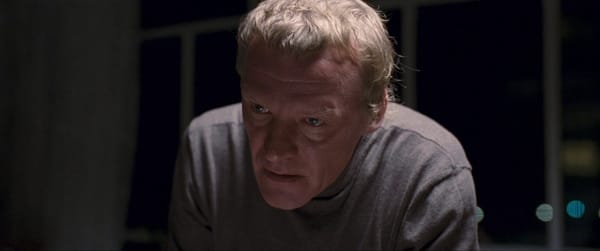
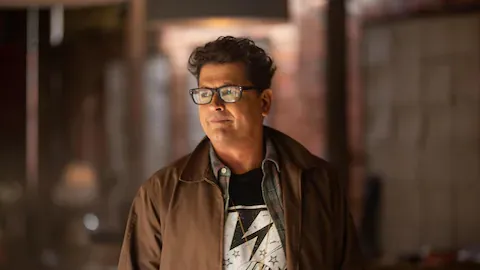
What elevates the film, though, is how complete the ensemble feels. Yura Borisov brings a quiet, almost reluctant presence as Igor — someone who observes more than he speaks, and in doing so, subtly reframes entire scenes. Karren Karagulian and Vache Tovmasyan add friction and unpredictability, shifting tone without ever breaking it. Darya Ekamasova and Aleksei Serebryakov operate with less screen time but more weight — especially Serebryakov, whose presence alone clarifies the power structure the film has been circling all along.
None of these performances feel like support in the traditional sense. They don’t orbit Ani — they press in on her. Each character shifts the tone slightly, changes the direction of a scene, forces a recalibration. The film works because no one is playing a simplified version of their role.
The structure mirrors that pressure. The first stretch moves quickly, almost recklessly — decisions stacking on top of each other before they can be understood. But as things slow, the gaps appear. What felt like spontaneity starts to look like inevitability. The energy doesn’t disappear — it tightens.
Visually, Sean Baker keeps everything exposed. Bright, kinetic, sometimes overwhelming — but never romanticized. The film doesn’t dress anything up. It just lets it play out in full view, which makes the shifts in tone hit harder when they come.
The tension isn’t about what’s going to happen. It’s about when the characters will recognize what’s already happening. There’s no big turn, no clean break. Just a gradual, unavoidable clarity.
ANORA doesn’t resolve into something neat. It doesn’t reframe itself as a love story or a warning. It stays in that uncomfortable middle space — where something felt real while it was happening, even if it couldn’t last.
It’s not about illusion being shattered. It’s about realizing there wasn’t one to begin with — just a situation that moved too fast to question, until it didn’t.