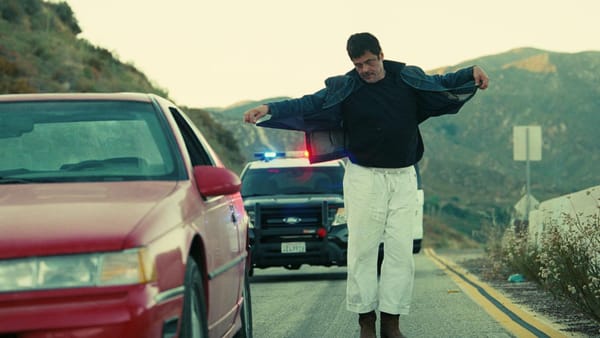
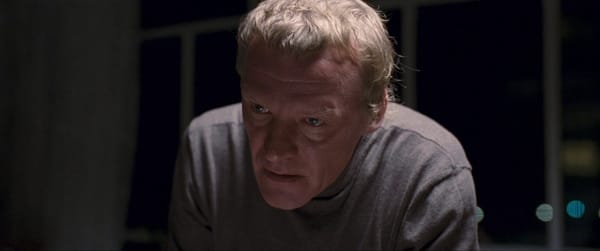
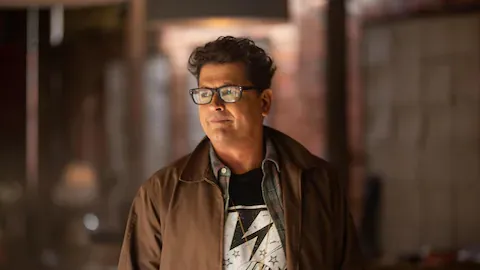
The pitch mattered more than the truth.

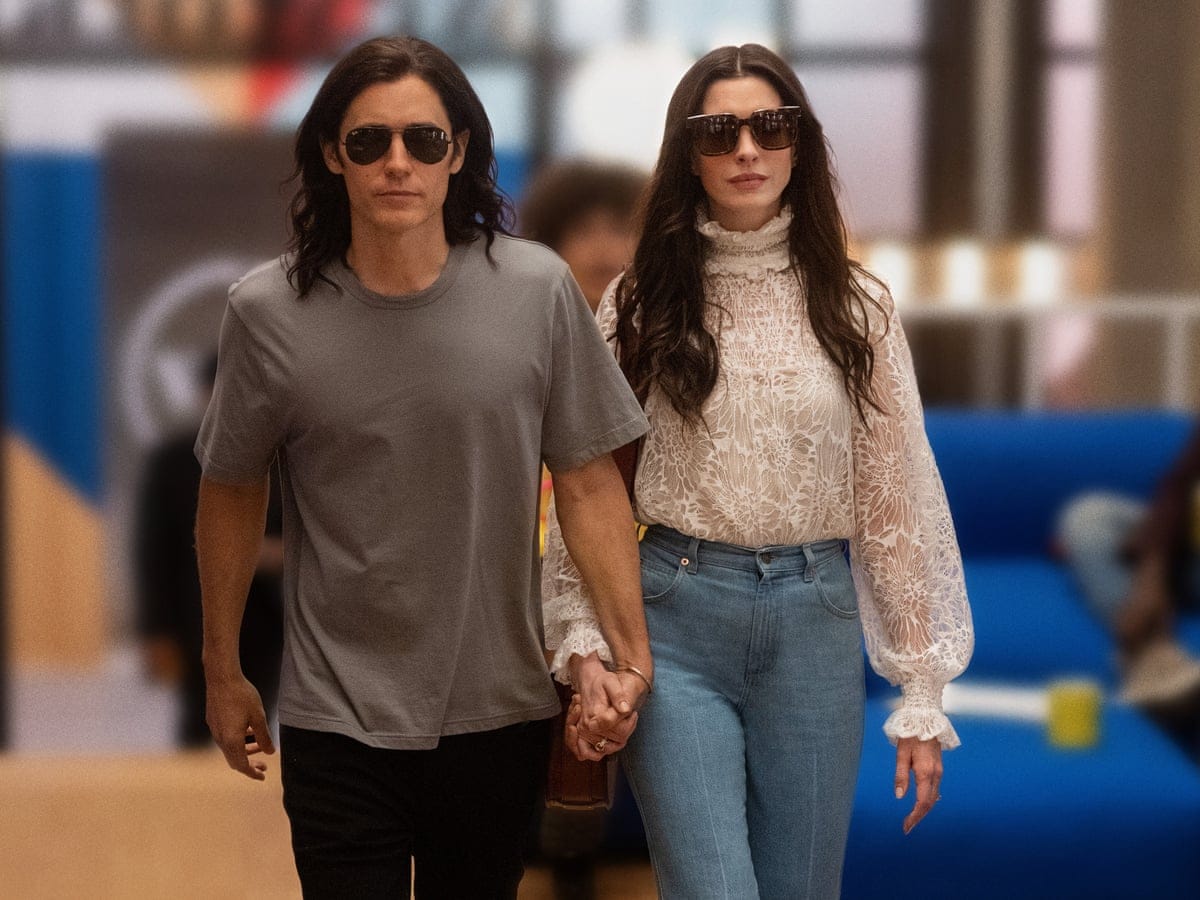
WECRASHED isn’t really about business. Not in the way it presents itself—with valuations, IPOs, boardrooms, the illusion that numbers are the story. It’s about belief. Manufactured, amplified, and then sold back to the people who needed it most. Not innovation, exactly. Something closer to performance. A company built less on what it did than on how convincingly it could describe itself.
The series sets up like a rise-and-fall. A familiar arc—ambition, excess, collapse. But what it keeps circling isn’t the mechanics of the crash. It’s the seduction that made it possible. Every pitch, every speech, every room full of people nodding along isn’t about business logic—it’s about emotional leverage. The show understands that the real product wasn’t office space. It was meaning. Or at least the promise of it.
That’s where the structure gets interesting. The timeline jumps, loops, reframes—less to build tension than to reinforce inevitability. You already know where it ends. The show knows you know. So it leans into repetition instead of surprise. Not “what happens next,” but “how did this keep working?” Scenes don’t escalate so much as accumulate—pitch after pitch, belief after belief, until the weight of it starts to feel unsustainable.
Visually and tonally, it leans into contradiction. Excess and emptiness sitting side by side. Lavish parties, hollow rooms. Big declarations, thin foundations. Everything looks like success, but feels slightly off, like it’s being held together by momentum rather than substance. The series doesn’t expose the illusion right away—it lets it run long enough for you to understand why people bought in.
Jared Leto plays Adam not as a mastermind, but as a force. Less calculated than instinctive, driven by charisma that doesn’t need to make sense to be effective. Anne Hathaway matches that energy differently—more controlled, more searching, but just as committed to the idea they’re building. Together, they don’t ground the story. They inflate it. Their relationship becomes the engine of the illusion, reinforcing it even as it starts to crack.
What’s interesting is that the show doesn’t fully interrogate them. It observes, it recreates, it occasionally critiques—but it rarely cuts deep. There’s a distance there. The systems that allow this kind of delusion to scale—the investors, the culture, the appetite for disruption—stay mostly in the background. The focus stays personal, even when the implications are structural.
There’s a version of WECRASHED that lands harder—one that pushes past the personalities and into the machinery that enabled them. But the series resists that. It stays with the spectacle, the relationship, the rise and the fall as something almost inevitable. That choice makes it engaging. It also limits it.
WECRASHED is less about the collapse than the belief that made it possible. Not how it failed, but how long it worked. It builds, it sells, it convinces—one pitch after another, one promise after another—until the idea of truth starts to feel secondary. Not a business story. A story about how easily people will buy into one.