The worst dinner special imaginable.

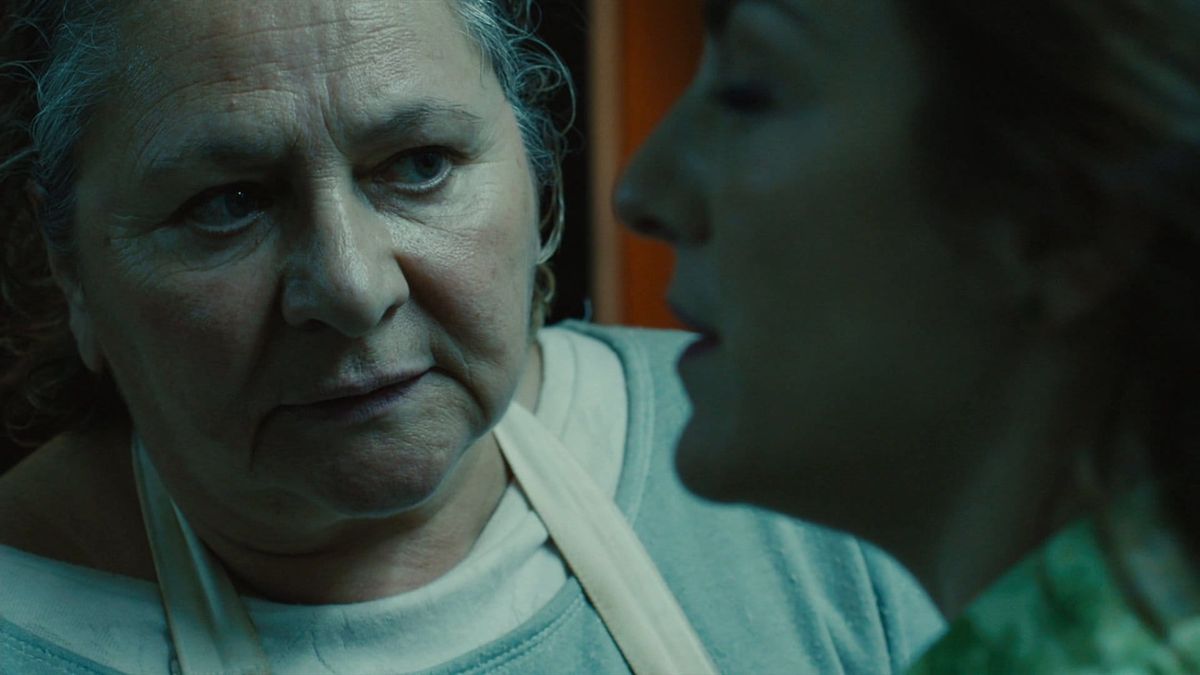
Revenge stories often begin with anger, but WILD TALES begins its second story with recognition. THE RATS follows a weary waitress whose ordinary evening shift is shattered by the arrival of the man responsible for destroying her family's life years earlier. From that deceptively simple encounter, writer-director Damián Szifron transforms an isolated roadside diner into a gripping moral battleground where justice, vengeance and conscience collide with extraordinary precision.
THE RATS immediately distinguishes itself from PASTERNAK by abandoning elaborate coincidence in favour of psychological conflict. The suspense no longer comes from unraveling an ingenious mystery but from watching ordinary people confront an impossible choice. Szifron understands that some of cinema's greatest tension comes not from asking what will happen next, but from asking what should happen next.
The setting is deceptively modest, yet it becomes one of the film's greatest strengths. The lonely roadside restaurant feels detached from the outside world, almost existing beyond conventional rules and expectations. Every empty chair, flickering light and passing truck reinforces the feeling that this is a place where morality itself can be tested without interruption from society.
Julieta Zylberberg anchors the story with remarkable restraint. Her waitress carries years of grief without ever allowing it to become melodramatic. She is visibly shaken by the unexpected encounter, yet her emotions remain carefully controlled, creating a performance built upon hesitation rather than outbursts. The result feels deeply human because revenge rarely arrives with certainty. More often, it arrives with doubt.
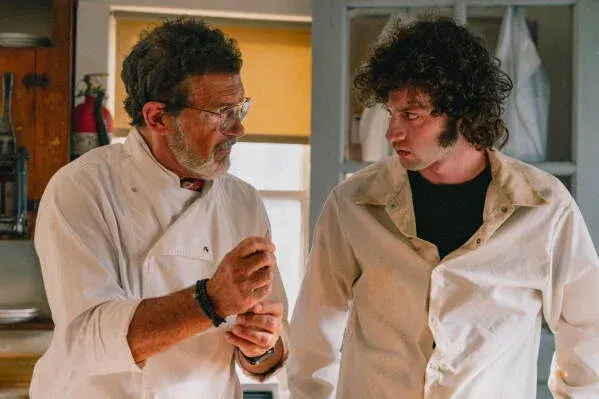
Standing opposite her is Rita Cortese, whose unforgettable cook immediately becomes one of the anthology's most compelling personalities. Tough, uncompromising and refreshingly blunt, she approaches morality with practical certainty instead of philosophical reflection. Where the waitress sees consequences, the cook sees opportunity. Cortese brings enormous charisma to every scene, balancing dark humour with an unsettling willingness to cross boundaries most people never would.
Their conversations form the emotional centre of the film. Szifron wisely avoids reducing either woman to a simple moral archetype, allowing both viewpoints to emerge from genuine personal experience. One believes violence inevitably perpetuates suffering, while the other argues that some people willingly surrender any claim to mercy through the cruelty they inflict upon others. Neither perspective feels manufactured for dramatic convenience.
César Bordón's corrupt loan shark further strengthens the story by refusing easy villainy. Rather than behaving like a theatrical monster, he appears disarmingly ordinary, which ultimately makes him far more unsettling. His arrogance is casual, his cruelty effortless and his indifference almost routine. The film quietly suggests that genuine harm is often inflicted not by spectacular evil, but by everyday selfishness.
Much of the suspense grows from remarkably ordinary conversations. Every exchanged glance and unfinished sentence carries enormous dramatic significance because the audience already understands the terrible possibility lingering beneath each interaction. Szifron demonstrates extraordinary confidence in his screenplay, trusting dialogue, silence and performance to generate tension rather than relying upon elaborate twists or relentless action.
Humour remains essential despite the increasingly uncomfortable subject matter. The laughs never diminish the seriousness of the moral dilemma. Instead, they expose the absurdity of human behaviour under pressure. Much like life itself, the funniest moments often emerge alongside the darkest, creating an uneasy emotional balance that constantly keeps the audience uncertain about how they should feel.
Visually, THE RATS embraces admirable restraint. The camera patiently observes rather than aggressively directing attention, allowing performances and atmosphere to carry the emotional burden. The restaurant gradually becomes more claustrophobic despite its open spaces, illustrating how psychological pressure can shrink even the largest environments. Every creative decision serves the story instead of competing with it.
Food also assumes surprising symbolic importance throughout the narrative. Restaurants exist to nourish people and provide comfort, yet Szifron brilliantly inverts those expectations. Meals become potential instruments of revenge rather than generosity, transforming one of humanity's most familiar rituals into a vehicle for moral conflict. It is a clever visual metaphor that quietly reinforces the story's central ethical dilemma.
Beneath its suspense lies a thoughtful examination of trauma and memory. The waitress cannot simply move beyond the past because its consequences continue shaping her present. Revenge therefore becomes tempting not because it promises happiness, but because it offers the illusion of finally reclaiming control. Szifron recognises that emotional wounds rarely disappear simply because time has passed.
Perhaps the film's greatest strength is its refusal to provide comfortable answers. No speech resolves years of suffering, and no convenient revelation redeems those responsible. Every decision carries irreversible consequences, leaving both characters and viewers to wrestle with uncomfortable questions long after the story concludes. THE RATS respects its audience enough to trust their own moral judgement.
THE RATS may lack the dazzling narrative ingenuity of PASTERNAK, yet its quieter ambitions prove equally rewarding. By replacing coincidence with conscience and spectacle with ethical uncertainty, Damián Szifron crafts a deeply unsettling meditation on justice, responsibility and revenge. It is another exceptional chapter in WILD TALES, confirming that the anthology's greatest strength lies not merely in shocking its audience, but in forcing them to question themselves.