A tango for modern rage.

WILD TALES is not a film about violence so much as it is a film about permission. Permission to snap, to retaliate, to stop performing civility when the social contract has already been broken—quietly, repeatedly and often with an official stamp of approval.
Damián Szifron's 2014 anthology doesn't ask whether rage is justified; it begins from the assumption that rage has already been earned. What follows is not chaos for its own sake, but six meticulously constructed thought experiments exploring what happens when ordinary people finally stop accepting humiliation as the price of living in society.
Anthology films often succeed unevenly, remembered for one extraordinary story surrounded by weaker companions. WILD TALES avoids that fate through remarkable discipline. Every segment is built around a single emotional fracture, escalated with almost mathematical precision until the inevitable finally becomes unavoidable. Szifron understands exactly when to introduce conflict, when to tighten the screws and, perhaps most importantly, when to stop. Nothing overstays its welcome. Nothing outlives its purpose.
That discipline is evident from the extraordinary opening. PASTERNAK begins with little more than casual conversation aboard a commercial flight before gradually revealing itself as one of modern cinema's finest exercises in escalation. Coincidence becomes structure. Structure becomes suspense. Suspense becomes horror. More importantly, resentment itself becomes connective tissue, binding together people who believed their cruelties had long since disappeared into memory. Society functions because grievances remain isolated. Collapse begins when they converge.
The remaining stories explore different expressions of that same collapse. THE RATS replaces coincidence with conscience, asking whether unbearable suffering can ever justify revenge. THE STRONGEST strips masculinity down to wounded pride, transforming an insignificant act of road rage into an absurd war of attrition where ego proves more destructive than hatred itself. Both stories understand that violence rarely erupts without warning. It accumulates through humiliation, stubbornness and the refusal to surrender even the smallest slight.
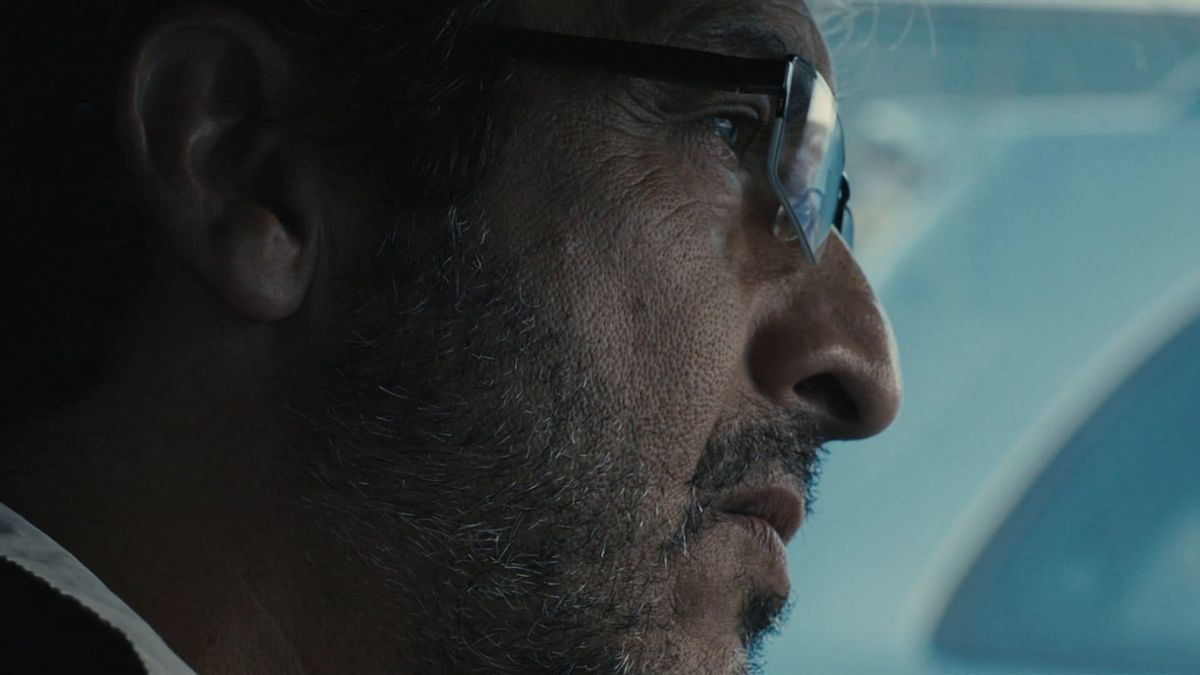
No story captures that accumulation more powerfully than BOMBITA. Ricardo Darín delivers one of the anthology's defining performances as a demolition engineer whose faith in institutions is slowly dismantled by bureaucratic indifference. His breakdown is neither impulsive nor irrational. It is methodical, almost courteous, shaped by parking tickets, appeal forms and administrative procedures that quietly deny his dignity one interaction at a time. Szifron understands that institutions rarely manufacture monsters through cruelty alone. More often, they manufacture desperation by refusing to acknowledge ordinary humanity.
That same understanding of power drives THE PROPOSAL, perhaps the anthology's bleakest story. A fatal accident gradually becomes an examination of wealth, privilege and moral compromise, exposing how quickly principles become negotiable once fear enters the room. Corruption is never presented as dramatic or theatrical. It arrives politely, disguised as pragmatism, family loyalty and common sense. Every compromise feels understandable in isolation. Together, they become devastating.
The emotional climax arrives with UNTIL DEATH DO US PART, where a lavish wedding reception becomes the setting for the anthology's most intimate collapse. Weddings are built upon performance. Families smile for photographs, friends raise carefully rehearsed toasts and newlyweds promise forever before an audience expecting perfection. Szifron tears through that performance with merciless honesty, revealing what happens when love, betrayal and pride collide before everyone who matters most. Érica Rivas delivers an astonishing performance that transforms heartbreak into liberation without ever sacrificing emotional truth.
What unites these stories is not revenge but humiliation. Every protagonist reaches a moment where dignity has been stripped away and civility begins to feel indistinguishable from surrender. Szifron refuses to divide humanity into heroes and villains because that would make the film too comfortable. His characters are recognisably flawed people responding to recognisably human emotions. Pride, grief, bureaucracy, betrayal, shame and desperation become the true antagonists, exposing how frighteningly fragile the boundary between order and chaos can be.
Szifron's greatest achievement is tonal rather than thematic. WILD TALES is consistently hilarious, yet the humour never undermines its emotional weight. Instead, laughter becomes another expression of recognition. We laugh not because suffering is amusing, but because the situations feel uncomfortably familiar. The comedy is communal rather than dismissive, exposing absurdities that audiences instinctively recognise from everyday life. Few filmmakers balance satire, suspense and genuine emotional insight with such confidence.
Technically, the anthology is close to immaculate. The performances are uniformly exceptional, the pacing never falters and Szifron demonstrates extraordinary confidence in his screenplay, trusting dialogue, silence and careful escalation instead of unnecessary spectacle. Each segment possesses its own identity while contributing to a unified artistic vision, making WILD TALES feel less like six short films than six movements within the same symphony of mounting frustration.
Revenge may be the anthology's most visible subject, but it is never its deepest one. WILD TALES is fascinated by the emotional architecture that makes revenge imaginable—the invisible compromises demanded by modern life, the humiliations people are expected to absorb in silence and the devastating consequences that follow when silence finally becomes impossible. It is exhilarating, devastating and wickedly funny in equal measure, reminding us that civilization is often held together by little more than mutual restraint.
That is why WILD TALES remains one of the defining films of the twenty-first century. Not because it encourages us to explode, but because it understands, with unsettling honesty, exactly why someone eventually does.